Nervous System Support for Birthing Bodies: Why Safety Matters in birth

Birth is not only a physical event. It is a full-system experience informed by your lived experiences, your beliefs, your relationships, and the environment in which you give birth. Every sensation, interaction, and decision is filtered through your nervous system, shaping not only how labor feels, but how your body responds throughout the unfolding process.
When we prepare for birth, we often focus on information, birth plans, comfort measures, and what to expect. While these are valuable, one of the most influential factors shaping birth is whether the birthing body feels safe enough to open, respond, and adapt to the ever-changing experience of labor.
Nervous system support is not another birth trend or wellness technique. It is the foundation that allows physiological birth, informed decision-making, embodied intuition, and resilience to remain accessible during moments of intensity. It is also where much of our ancestral wisdom resides. When the nervous system perceives danger, whether real or perceived, the body naturally shifts toward protection. When it feels supported, heard, respected, and resourced, the body is more able to access the hormonal and physiological processes that birth already depends upon.
What does safety actually mean?
Safety is often misunderstood as the absence of risk or discomfort. Birth asks a great deal of the body, and intensity is a natural part of the process. Feeling safe does not mean labor is easy or free from challenge. Rather, safety is the felt experience of being able to remain present within that intensity. A person can be in a medically safe environment while their nervous system feels threatened. Likewise, someone can experience incredibly powerful sensations while feeling deeply supported and connected.
Throughout labor, the nervous system continually asks one essential question: Am I safe enough to stay open, connected, and responsive? That answer is shaped by much more than physical surroundings. It is influenced by:
Feeling heard and respected
Trust in your birth team
Clear communication and informed consent
Privacy
Freedom to move
Familiar people and surroundings
Autonomy and meaningful choices
Previous life experiences held within the body
Safety looks different for every family. For some, it is found in the familiarity of home. For others, it is knowing a hospital team is immediately available. Neither environment guarantees nervous system regulation. What matters most is understanding what helps your body feel supported, informed, and empowered.
Understanding the nervous system during birth
The autonomic nervous system governs our stress responses and our capacity for connection, rest, and repair. Throughout labor it is constantly responding to cues from both the external environment and the internal landscape of the body. Light. Sound. Touch. Privacy. The tone of someone's voice. A familiar hand on your shoulder. An unexpected interruption. All of these become information that the nervous system interprets as either supportive or protective.
A basic understanding of the sympathetic ("fight or flight") and parasympathetic ("rest and digest") branches of the autonomic nervous system can deepen our understanding of birth physiology. The parasympathetic nervous system supports relaxation, connection, digestion, and many of the hormonal processes that encourage labor to unfold. Oxytocin, often called the hormone of love and bonding, flows most readily when a person feels emotionally and physically safe.
The sympathetic nervous system is equally important. During transition and pushing, adrenaline naturally rises, providing energy, focus, and the strength needed for the physical work of birth. Birth is not meant to remain in one nervous system state from beginning to end. It moves. It adapts. It shifts. Understanding this helps us move away from viewing stress as something to eliminate and instead appreciate the remarkable flexibility of the nervous system.
Your nervous system is not broken
One of the most compassionate perspectives we can bring to birth is recognizing that the nervous system is never trying to sabotage us. It is trying to protect us. If previous experiences taught the body that uncertainty, pain, vulnerability, or loss of control were unsafe, those protective responses may naturally become more active during pregnancy and labor.
Rather than asking, "What's wrong with me?" we might instead ask, "What pattern has my nervous system learned?" This subtle shift changes everything. Instead of trying to override the body's protective responses, we can begin building capacity, resilience, and trust long before labor begins.

Hannahill Photography
The Hormonal dance of birth
Birth is often described as a hormonal symphony, and for good reason. Hormones and the nervous system are in constant conversation. Oxytocin encourages contractions, bonding, and connection. Endorphins help us cope with increasing intensity and contribute to the altered state many birthing people describe during labor. Adrenaline provides the energy and alertness needed during the final stages of birth.
These hormones are not independent of the nervous system. They respond to the body's perception of safety, connection, and stress. Bright lights, repeated interruptions, fear, or feeling constantly observed may influence this delicate hormonal dance. Likewise, privacy, trust, movement, warmth, familiar support, and uninterrupted time often encourage the hormonal cascade that supports physiological birth. This is one reason why the birth environment matters, not because there is one "right" place to give birth, but because every environment offers different opportunities and challenges for supporting the nervous system.
preparing the nervous system during pregnancy
Supporting the nervous system begins long before labor starts. Pregnancy offers an opportunity to become curious about your own patterns. What helps your body settle? What creates tension? How do you recognize when you are overwhelmed? How do you know when you truly feel safe? Rather than trying to eliminate fear, we can build the capacity to remain present when fear naturally arises.
Simple practices may include:
Grounding exercises
Breath awareness
Body scans
Gentle movement
Time in nature
Journaling
Reframing fear-based narratives
Practicing informed decision-making
These practices are not about controlling birth. They are about strengthening your ability to meet birth with flexibility, awareness, and self-trust. When birthing people learn to work with their nervous system instead of overriding it, they often describe feeling more grounded, less panicked when plans shift, and more connected to themselves throughout labor.
Preparing for birth is about more than learning stages of labor. My Holistic Childbirth Course weaves together physiology, nervous system support, emotional preparation, and evidence-based education so you can approach birth with greater confidence and trust.
Practical Ways to Support the Nervous System During Birth
Nervous system support often comes through small moments rather than grand interventions. The nervous system may feel supported by:
Dim lighting
Quiet conversation
Familiar smells
Warm water
Freedom to move
Gentle touch with consent
Feeling informed before procedures
Trusted support people
Privacy
Encouragement without pressure
Time to pause before making decisions
The nervous system may become activated by:
Bright lights
Frequent interruptions
Feeling rushed
Lack of privacy
Unexpected touch
Conflicting information
Feeling unheard
Constant observation
Loss of autonomy
None of these guarantee a particular birth outcome. They simply influence how the body experiences labor. Many families later realize they did not necessarily need more information. They needed more support remaining connected to themselves during moments of uncertainty. This is one of the unique contributions of holistic birth education and continuous doula support.

Hannahill Photography
The power of co-regulation during birth
One of the most overlooked aspects of birth support is something called co-regulation. As human beings, our nervous systems are constantly communicating with one another. Long before we have words, we learn to borrow safety from those around us through facial expressions, tone of voice, breathing patterns, touch, and presence. This ability does not disappear in adulthood. During labor, one of the most physically and emotionally intense experiences many people will ever have, our nervous systems continue to respond to the people sharing the space with us.
When a support person remains calm, grounded, and present, they are not simply offering encouragement. They are providing cues of safety that the birthing person's nervous system can recognize. A slow breath, a reassuring hand, gentle eye contact, or a steady voice can help interrupt cycles of fear and overwhelm, making it easier to reconnect with the body and return to the work of labor.
This does not mean that birth partners, doulas, or midwives need to be perfectly calm at all times. They are human, too. Rather, it speaks to the importance of surrounding yourself with people who understand the physiology of birth, respect your autonomy, and are able to remain grounded when birth becomes intense or unexpected. Their regulated presence can become an anchor when the experience feels overwhelming.
Co-regulation is also one reason why continuity of care matters. When a birthing person knows and trusts the people attending their birth, the nervous system spends less energy assessing whether it is safe. Instead, that energy can be directed toward the unfolding process of labor. Trust becomes more than an emotional experience, it becomes physiological support.
This is one of the reasons I believe birth is inherently relational. We do not prepare for birth simply by learning techniques or memorizing stages of labor. We prepare by cultivating relationships—with ourselves, our partners, our care providers, and those who will witness us crossing this threshold. The people we invite into our birth space become part of the environment our nervous system is continually responding to.
When choosing your birth team, consider not only their credentials and experience, but also how you feel in their presence. Do you feel heard? Do you feel respected? Can you ask questions without judgment? Do they leave you feeling more grounded than when you arrived? These qualities are not secondary to good care, they are an essential part of creating an environment where both your body and nervous system can work together throughout birth.
Every birth is unique. If you'd like personalized guidance as you prepare for birth, I offer one-on-one virtual consultations to help families navigate homebirth planning, birth choices, nervous system preparation, and holistic birth education.
Every Birth Environment Requires Nervous System Support
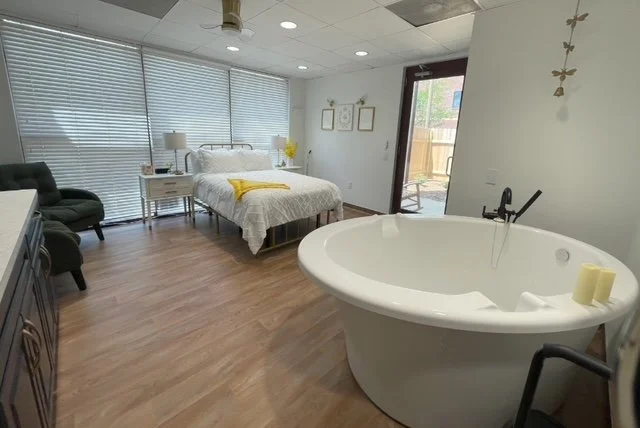
Whether you plan to give birth at home, in a birth center, or in a hospital, your nervous system matters. Each setting has strengths and challenges. Home and birth center environments often support privacy, familiarity, and uninterrupted physiological processes. Hospital births may require more intentional advocacy around communication, informed consent, lighting, interruptions, and creating moments of rest within a busy environment.
The question is not simply, "Where will I give birth?" It is also, "What helps me feel safe, heard, and supported in that environment?" This is one reason I encourage families to prepare their nervous systems alongside their birth plans.
nervous system support after birth
The work of the nervous system does not end when the baby is born. Birth is one of life's great thresholds, and the body continues making meaning of the experience long afterward. The postpartum period invites rest, healing, bonding, and integration.
Sometimes people replay moments from birth repeatedly, not because something necessarily went wrong, but because the nervous system is still organizing and integrating an incredibly significant life event. Compassionate reflection, somatic practices, supportive relationships, and opportunities to process the birth story can all help restore a deeper sense of safety and trust.
Birth is a threshold
My work with birthing families centers this understanding: birth and postpartum are not experiences to be managed, but thresholds to be met with presence, flexibility, and trust. Through holistic childbirth education, doula consultations, Reiki, digital resources, and self-paced learning, I support families in preparing not only for the physical work of birth, but for the emotional and nervous system landscape that accompanies it.
The goal is never a perfect birth. It is a birth rooted in agency, informed choice, resilience, and embodied trust. Birth is one of life's great thresholds. When the nervous system is supported, birth becomes less about surviving the experience and more about moving through it with presence, courage, and care.
continue your journey
If this perspective resonates with you, explore the resources throughout this site to deepen your preparation for pregnancy, birth, postpartum, and beyond. Whether you're looking for holistic childbirth education, nervous system support, or guidance as you prepare for birth, you'll find practical tools and thoughtful resources designed to help you move through this threshold with confidence and connection.